Loading...
Serving Daytona Beach, FL and surrounding areas. (386) 278-1623
Daytona Beach Lanai Sunrooms & Patios has served Daytona Beach homeowners with permitted sunroom additions, patio enclosures, and screen rooms since 2020 - every project built to Florida's hurricane wind standards and inspected by the local building department.
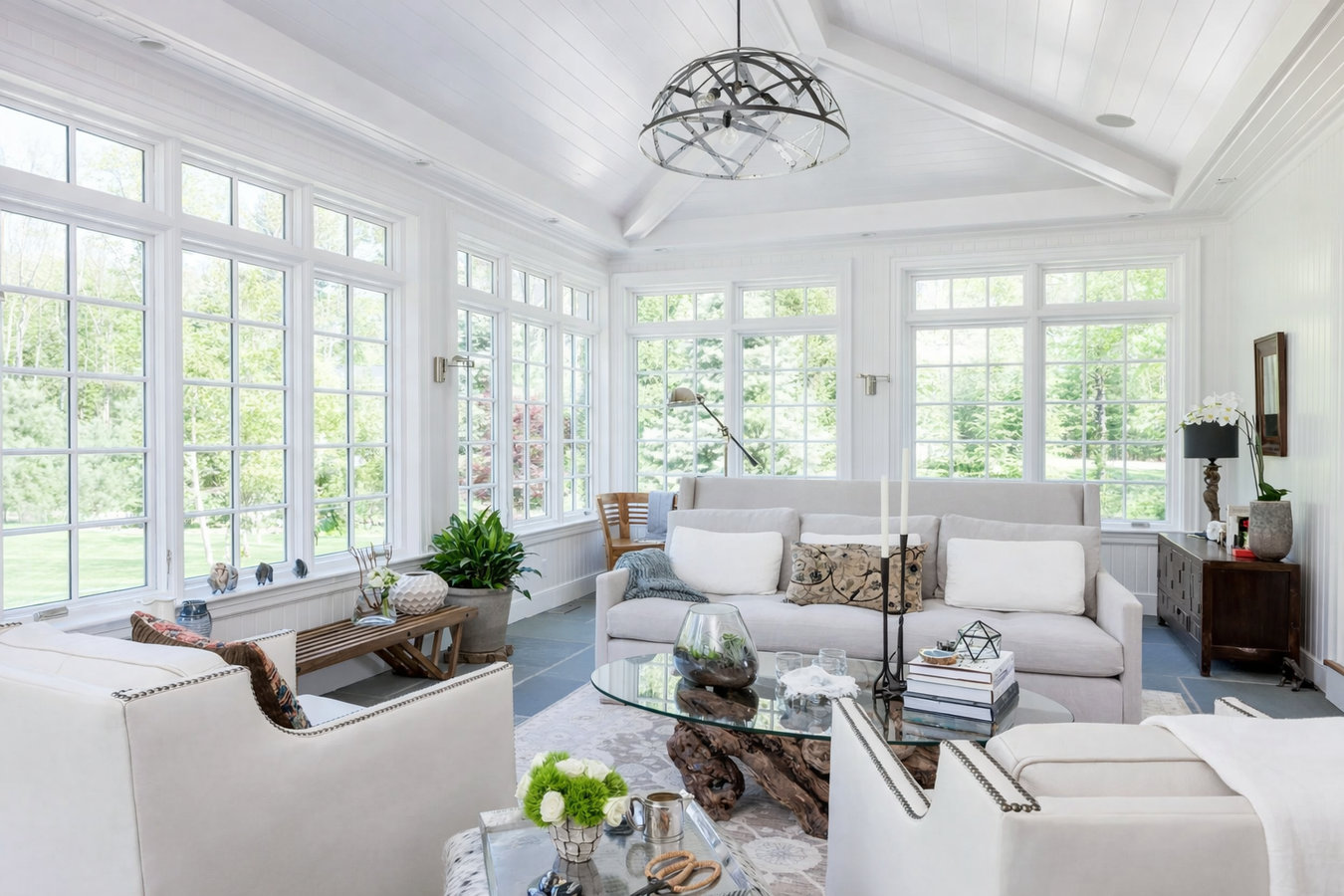
Daytona Beach homes from the 1970s and 1980s were built with small windows and minimal connection to the backyard. A sunroom addition changes that completely - adding a light-filled room that works as a home office, casual dining space, or a place to enjoy the outdoors without bugs, rain, or Florida's direct summer sun.
Open patios in Daytona Beach take a beating from summer afternoon thunderstorms and hurricane season every year. Enclosing your patio with glass or solid panels turns that exposed slab into a usable, protected room that you can actually count on twelve months a year.
Mosquitoes and no-see-ums are a year-round reality in Daytona Beach, not just a summer problem. A properly built screen room gives you fresh air and the outdoor feeling without the insects, at a lower cost than a fully enclosed sunroom.
Daytona Beach neighborhoods range from beachside barrier island properties to inland ranch homes with very different lot shapes and HOA rules. Custom sunroom designs account for those differences from the start, rather than forcing a standard product onto a non-standard site.
Many older Daytona Beach homes have existing sunrooms or Florida rooms that were built decades ago with materials that have since deteriorated. Remodeling an aging room - replacing seals, glass, screening, or flooring - is often a smarter investment than tearing it down and starting over.
Daytona Beach summers reach heat index values well above 100 degrees, and only a fully insulated, climate-controlled four-season room stays comfortable during those months. If you want a room you can actually use in July and August, not just in February, this is the right option.
Most of Daytona Beach's housing stock was built between the 1950s and the 1980s using concrete block construction on flat, sandy lots close to sea level. Homes from that era are reaching the age where original roofs, window seals, and exterior finishes need serious attention. Salt air from the Atlantic - especially on the beachside barrier island - accelerates wear on metal fasteners, paint, and caulk faster than most homeowners expect. A contractor unfamiliar with coastal Central Florida conditions will underestimate how quickly the wrong materials fail here.
Florida's building code also imposes hurricane wind-load requirements on any new structure attached to a home - requirements that push material costs above national averages but also mean a properly built sunroom survives the storms that come through Volusia County every few years. Daytona Beach has been affected by storms including Hurricane Matthew in 2016 and Hurricane Ian in 2022. Beyond wind resistance, year-round humidity averaging above 70 percent means that any gap in seals, flashing, or wall connections becomes a pathway for moisture, mold, and rot inside the structure within one or two seasons.
Our crew has worked in Daytona Beach since 2020, pulling permits from both the Volusia County Building and Zoning division for unincorporated properties and from the City of Daytona Beach building department for properties within city limits. We know that permit review for a sunroom typically takes two to six weeks in this market, and we factor that into every project timeline so homeowners are not caught off guard.
Daytona Beach is a city with several distinct areas that require different approaches. Homes near the beachside boardwalk and along Atlantic Avenue face constant salt air and need marine-grade materials in hardware and coatings. The neighborhoods west of US-1 - including Midtown and the older residential blocks - tend to have the original 1960s and 1970s concrete block construction where we frequently encounter soft spots in original floor framing and aging stucco exteriors. Communities like LPGA International and Pelican Bay have active HOAs with separate design approval processes that run parallel to county permitting.
We also regularly serve homeowners in Holly Hill, which borders Daytona Beach to the north and shares many of the same soil conditions, housing ages, and permit workflows. Whether your property is near the Daytona International Speedway, on the beachside, or in one of the quieter inland neighborhoods, we work across all of Daytona Beach regularly.
We respond to every inquiry within one business day. When you reach out, we will ask about your property, your goals, and a general idea of your budget - no pressure, just enough to know if we are the right fit before scheduling a visit.
We visit your home to assess the site, check soil conditions if needed, and review any HOA or permit constraints specific to your neighborhood. You receive a written estimate with a clear scope of work and payment schedule - no vague ballpark numbers.
We handle the permit application with the City of Daytona Beach or Volusia County, depending on your property's location. Construction begins only after the permit is approved - typically two to six weeks after submission - so your project has proper inspections at every stage.
We schedule the final building inspection and walk through the completed room with you before we consider the job done. If anything needs adjustment, we handle it before you sign off - not after.
We serve homeowners across Daytona Beach and Volusia County. Every estimate is free, every project is fully permitted, and we respond within one business day.
(386) 278-1623Daytona Beach is a city of about 69,000 people on Florida's northeast Atlantic coast, roughly 55 miles northeast of Orlando. The city is organized around several distinct areas: the beachside barrier island with its Atlantic-facing homes and hotels along Atlantic Avenue and the Boardwalk area, the inland neighborhoods west of US-1 including Midtown, and the quieter residential blocks south toward Daytona Beach Shores. The city is the economic center of Volusia County, home to Halifax Health - one of the region's largest employers - and Embry-Riddle Aeronautical University. Most locals know the city by its two defining anchors: the Daytona International Speedway, home of the Daytona 500, and Bike Week, the massive annual motorcycle rally held every March.
Daytona Beach's housing stock is dominated by concrete block homes built during the 1950s through 1980s - most of them single-story ranch styles on flat, low-lying lots. The city sits at near-sea-level elevation, which means drainage can be slow after heavy rain and many properties are in or near FEMA flood zones. A significant portion of the housing is renter-occupied or used seasonally, which means deferred maintenance is common on older properties. Neighboring communities including South Daytona and Holly Hill are considered part of the same metro area and share many of the same housing characteristics and service needs.
Add beautiful, light-filled living space to your home with a custom sunroom addition.
Learn MoreEnjoy your sunroom comfortably all year long with insulated, climate-controlled construction.
Learn MoreAffordable sunroom option for spring, summer, and fall outdoor enjoyment.
Learn MoreTransform your open patio into a protected, comfortable enclosed living area.
Learn MoreFully custom sunroom designs built to match your home and lifestyle perfectly.
Learn MoreExpert sunroom construction from foundation to finish on time and on budget.
Learn MoreRefresh and modernize your existing sunroom with skilled remodeling services.
Learn MoreKeep bugs and debris out while enjoying fresh air with a screen room.
Learn MoreConvert your existing patio into a fully enclosed, functional sunroom.
Learn MoreTurn your underused deck into a stylish, weather-protected sunroom space.
Learn MoreHeated and cooled all-season rooms for year-round comfort and versatility.
Learn MoreEnclose your patio for a private, protected outdoor living experience.
Learn MoreGlass solarium installations that flood your home with natural light.
Learn MoreDurable patio covers that provide shade, protection, and curb appeal.
Learn MoreWhether your home is on the beachside, near the Speedway, or in one of the inland neighborhoods, we work across all of Daytona Beach and respond within one business day.